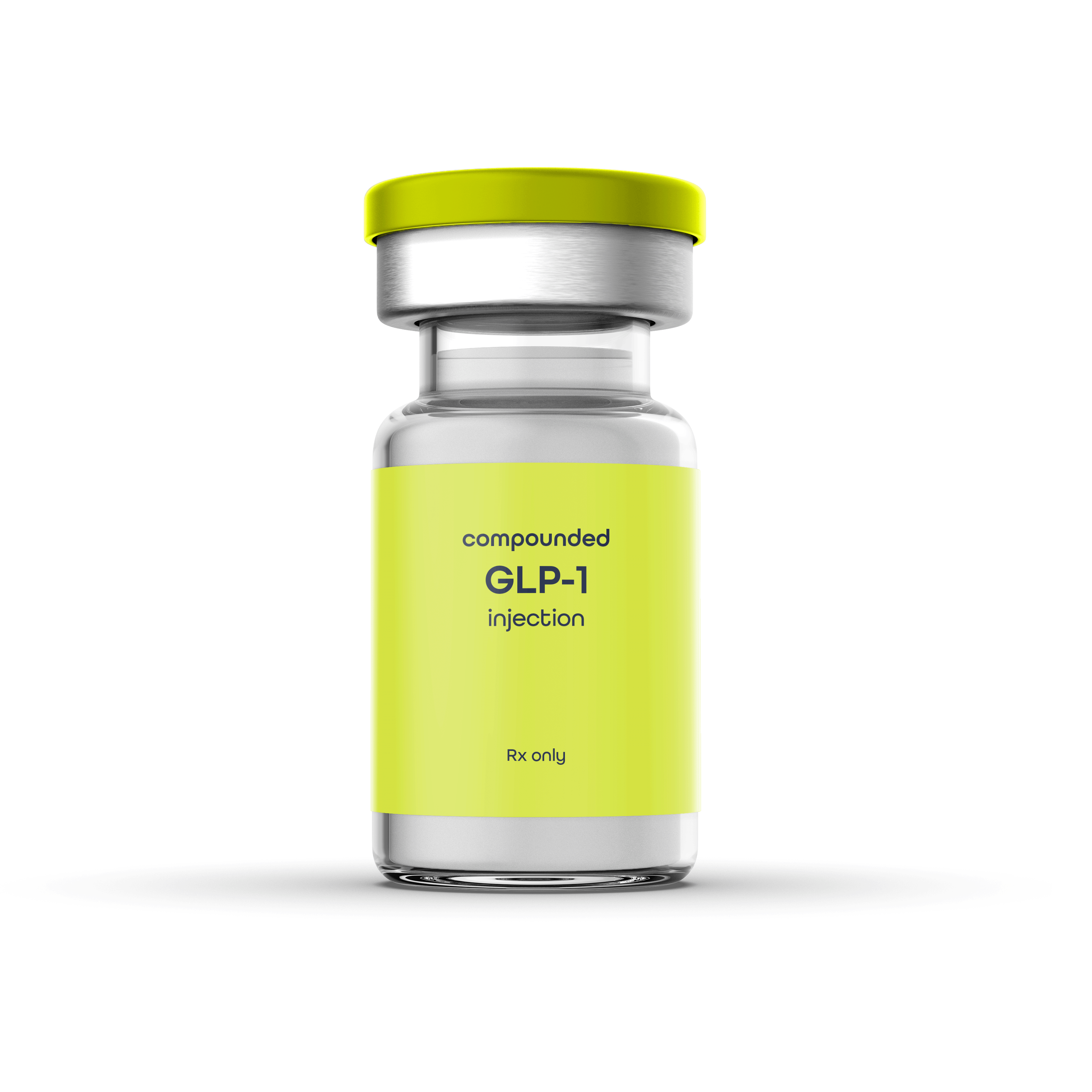
Evidence Level Strong human trials What to Expect Week 1-4 What you might notice Gradually decreasing appetite Feeling full sooner during meals Some nausea or GI discomfort (this is normal and usually improves) Initial weight loss of 2-5 lbs Changes in food preferences or cravings What's normal GI side effects are common early on - they typically improve Appetite changes may be subtle at starting doses Weight loss is just beginning - be patient What's next Continue at starting dose for the full titration period Track any side effects to discuss with your provider Prepare for potential dose increase after 4 weeks Week 5-12 What you might notice More pronounced appetite suppression Steady weight loss of 1-2 lbs per week GI side effects typically improving or resolved Eating significantly smaller portions naturally Reduced food noise and cravings What's normal Weight loss accelerates as dose increases Your relationship with food begins to change Some fluctuation week-to-week is normal What's next Continue dose titration per your provider's guidance Focus on protein intake to preserve muscle mass Consider adding or optimizing exercise routine Week 13-26 What you might notice Cumulative weight loss of 8-12% of starting weight Sustained appetite control without constant effort Improved metabolic markers on bloodwork Better energy levels and mobility Established new eating patterns What's normal Weight loss rate may slow but should continue You've adapted to your new normal around food Results are becoming visible to others What's next Discuss maintenance strategy with provider Consider combination with semaglutide if results plateau Continue healthy lifestyle habits for best results Month 6+ What you might notice Total weight loss potential of 10-15% alone, 20%+ with combination therapy Sustained appetite control feels natural Significant improvements in metabolic health markers Maintained weight loss with continued treatment What's normal Weight may stabilize at a new set point Continued treatment typically needed to maintain results Periodic adjustments may be needed What's next Maintain treatment for long-term success Regular follow-up with healthcare provider Continue lifestyle modifications that support your results Signs It's Working Weight loss indicators Clothes fitting more loosely Scale showing consistent weekly weight reduction Reduced waist circumference Visible changes in body composition Need to tighten belt or buy smaller sizes Appetite and eating changes Feeling satisfied with smaller portions Reduced interest in snacking between meals Less food noise and obsessive food thoughts Natural preference for lighter, smaller meals Ability to stop eating when full Metabolic improvements Better blood sugar readings (if monitored) Improved fasting glucose on lab work More stable energy throughout the day Reduced post-meal sluggishness Better cholesterol and triglyceride levels Not Seeing Results

I always feel like Im in great hands and look forward to my bi-weekly IVs
BPC-157 5mg $45.00 Volume discounts Auto-applied at checkout Free shipping on orders of $200+ Compound Identity COMPOUND NAME BPC-157 SYNONYMS Body protection compound 15, Bepecin, Bpc 15 CAS NUMBER 137525-51-0 MOLECULAR FORMULA C 62 H 98 N 16 O 22 MOLECULAR WEIGHT ~1419.5 g/mol STRUCTURE Synthetic 15-amino acid linear peptide PEPTIDE SEQUENCE H-Gly-Glu-Pro-Pro-Pro-Gly-Lys-Pro-Ala-Asp-Asp-Ala-Gly-Leu-Val-OH CHEMICAL STRUCTURE Molecular Formula : C 62 H 98 N 16 O 22 Source: PubChem Mechanism of Action BPC-157 modulates molecular pathways involved in tissue repair, including upregulation of VEGFR2 signaling and modulation of nitric oxide release 1-3
.webp)
Improves mitochondrial biogenesis Increases energy production Enhances fat oxidation Reduces fatigue Supports insulin sensitivity Boosts workout performance Reduces metabolic slowdown associated with aging MOTS-C appears to influence: AMPK activation (metabolic switch) Glucose utilization Fat metabolism pathways Oxidative stress response Mitochondrial DNAlinked signaling This makes MOTS-C a foundational option for adults using peptide therapy over 40 for energy, metabolism, and overall vitality
Proposed Mechanisms Preventing GABA receptor downregulation Counteracting compensatory NMDA glutamate receptor sensitization Stabilizing benzodiazepine receptor configuration (preventing shift to inverse agonist state) Upregulating GABAergic neurotransmission through pathways distinct from benzodiazepine action itself This tolerance prevention has profound clinical implications
Activation of these pathways mediates various cellular responses, including protein synthesis, cell differentiation and proliferation in muscle and other cells